- Entries
- 209 procedures
- Language of the steps
- ASD-STE100, Issue 9
- Safety notices
- ANSI Z535
- Specifications printed
- 415 of 1,002
The refusal587 of 1,002 specifications are not printed. That is the whole argument.
Five hundred and eighty-seven numbers this repository will not print.
A repair page has one job nobody checks: the number. Torque, pressure, voltage, wire gauge, clearance, fastener grade, load rating, temperature limit. This repository holds 1,002 of them. 415 are traced to a manufacturer document, a published standard, or a government safety authority, and are printed with the source and the date it was read.
The other 587 are not printed at all. In their place the page says which document to open — yours, for your model. A competitor invents the figure. Fifty-nine per cent of the specifications here are a blank with an instruction in it, and that blank is the product.
415 traced to a primary source587 routed to the manufacturer59% of 1,002
Specimenas printed
Anti-tip bracket load ratingNot verified
Consult the manufacturer documentation for this equipment.
No tier-1 source was found for this value · see it on the page
Why the gap is set in type
A plausible figure for the wrong model is worse than no figure. So an unverified safety value is never averaged, never inferred from a third-party page, and never quietly rounded into the text. Where two primary sources disagree, both are named and the disagreement is published.
The corpus6 shelves, 209 entries, 1,339 links between them.
What is on the shelf.
The repository is organised by the equipment in front of you, not by trade. One object is drawn for each shelf. The rule against each row is that shelf’s count, drawn to scale against the largest.
- Home systemsHeating, cooling, water, drainage, home electrical work and the devices that keep a dwelling safe.Stop valve51
- AppliancesMaintenance, cleaning and error-code interpretation for domestic appliances.Dishwasher filter46
- Tools, measurement and recordsCare and correct use of hand tools, power tools and instruments, and the equipment records that make every other procedure faster.Hex socket32
- VehicleConsumer-level vehicle maintenance, consumables and warning indicators.Spin-on oil filter29
- Computing and networkingConnectivity, printing, storage and backup, system faults, and the physical care of a device.8P8C modular plug27
- Outdoor power equipmentSmall engine and battery outdoor equipment care.Spark plug24
The store, counted
- Published procedures
- 209
- Steps
- 5,082
- Hazard notices
- 1,031
- Specifications
- 1,002
- traced to a source
- 415
- routed to the manufacturer
- 587
- Registered sources
- 852
- cited by a published page
- 813
- Cross-references between pages
- 1,339
Nothing here is a landing page
Every entry is a rendering of a structured record: steps, hazards, tools and specifications stored as data and checked before they become a page. A page that fails the check is held, not published — a held page costs nothing.
Selected entriesTitles in ordinary English. Steps in controlled English.
From the index.
A title is allowed to be ordinary — including the everyday, technically wrong phrasing people actually type. The steps beneath it are not: those are held to one term per item, one instruction per sentence, conditions before actions. These are the six longest entries in the repository; the step count is the record’s own.
Most recently revised: How to check and replace the fill hoses on a washing machine, 2026-08-12. Search all 209 entries →
List of plates
The drawn figures. An illustration sets the scene and never carries an instruction: the written checklist controls the work.
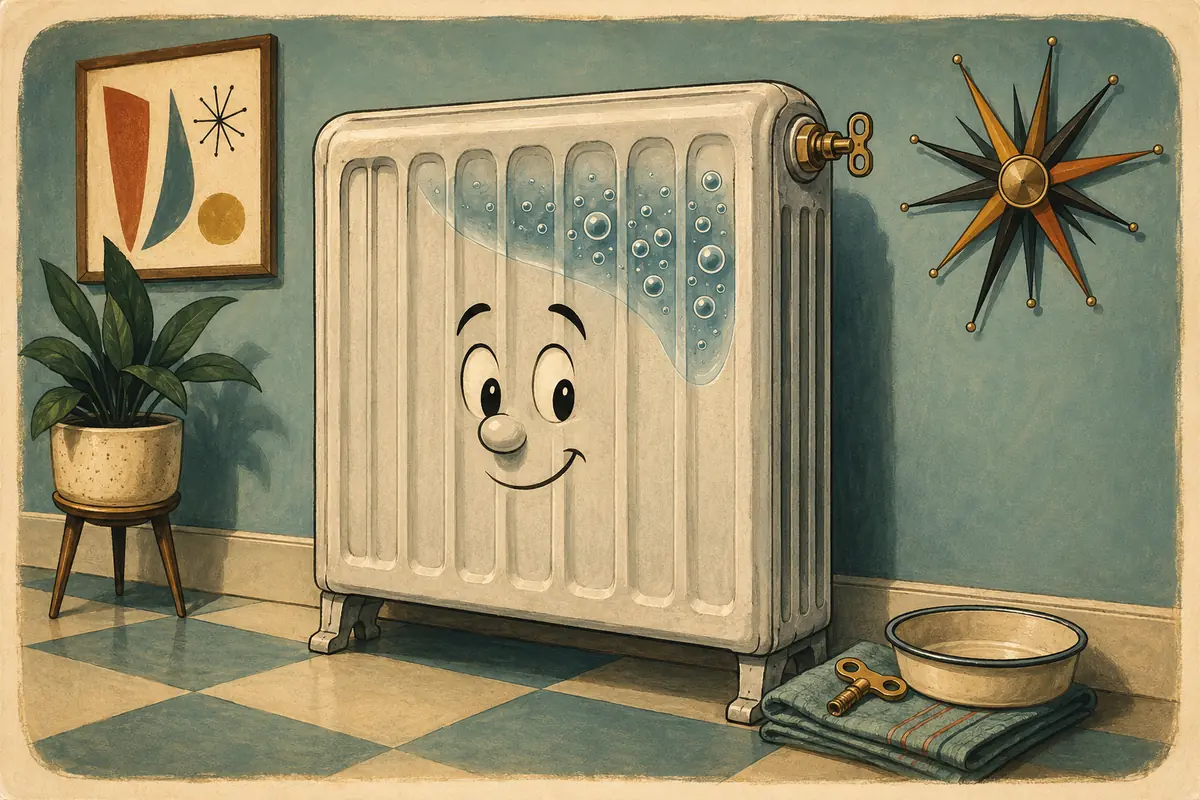 Plate 1How to bleed a radiator that is cold at the top and warm at the bottom
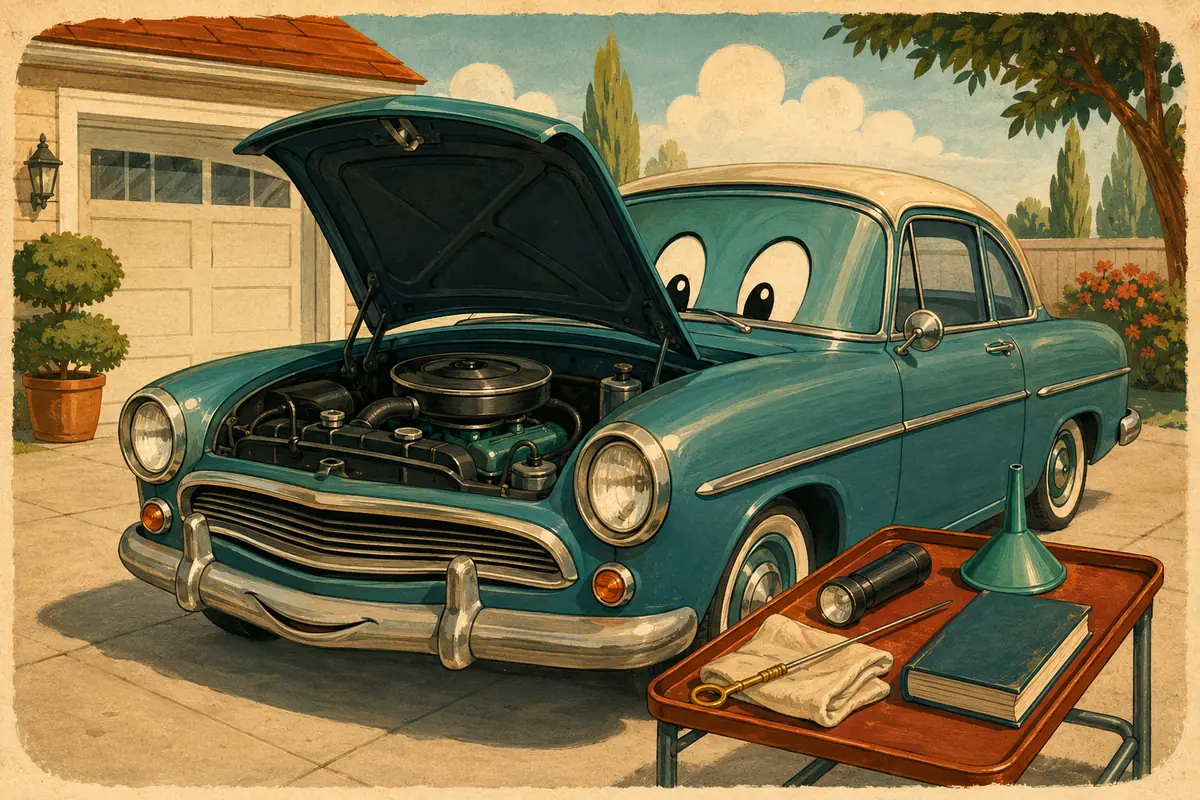 Plate 2How to check your engine oil and work out what oil your car takes
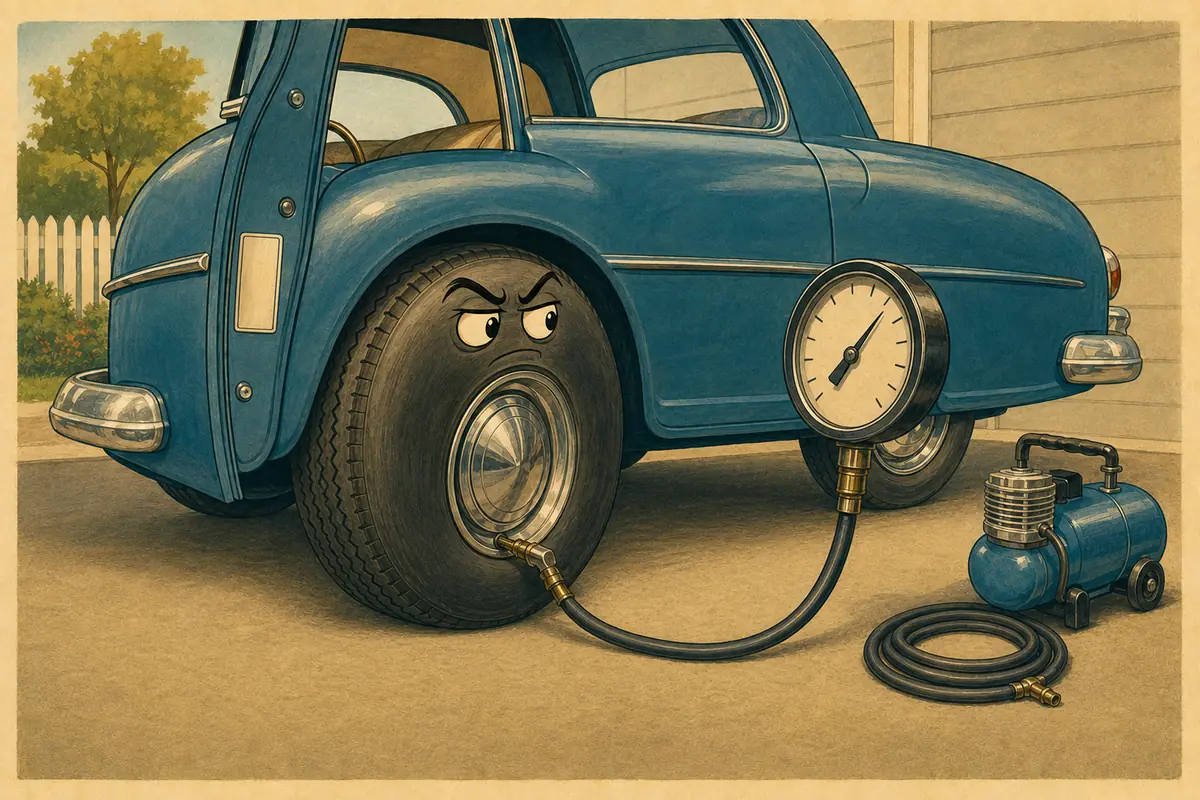 Plate 3How to check your tire pressure and put the right amount of air in your tires
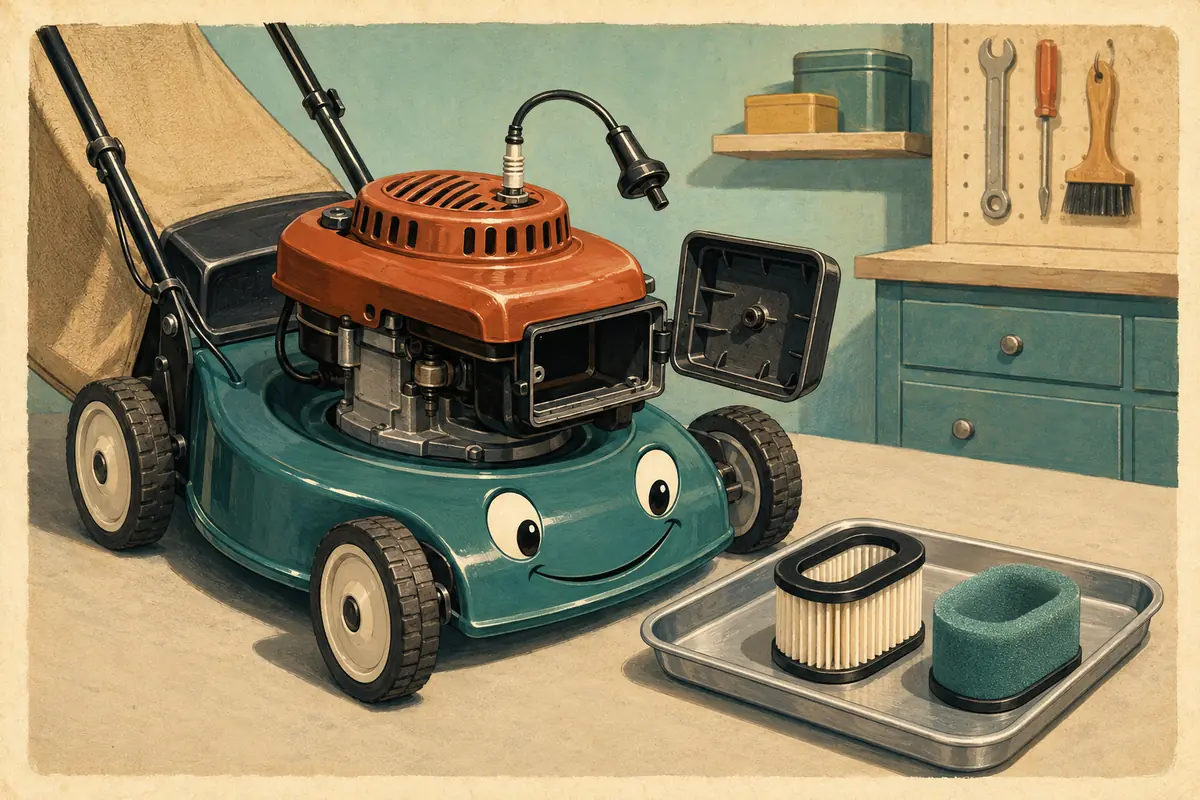 Plate 4How to clean or change the air filter on a lawn mower
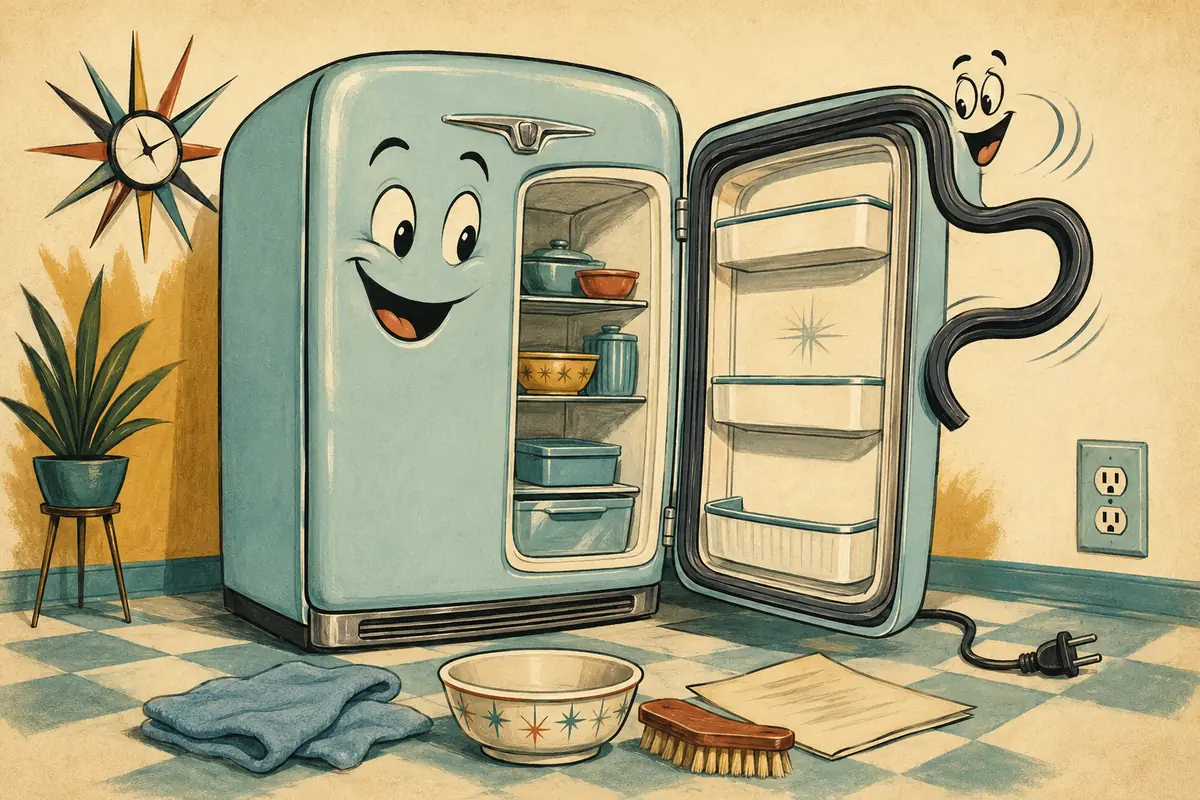 Plate 5How to clean the rubber door seal on a fridge
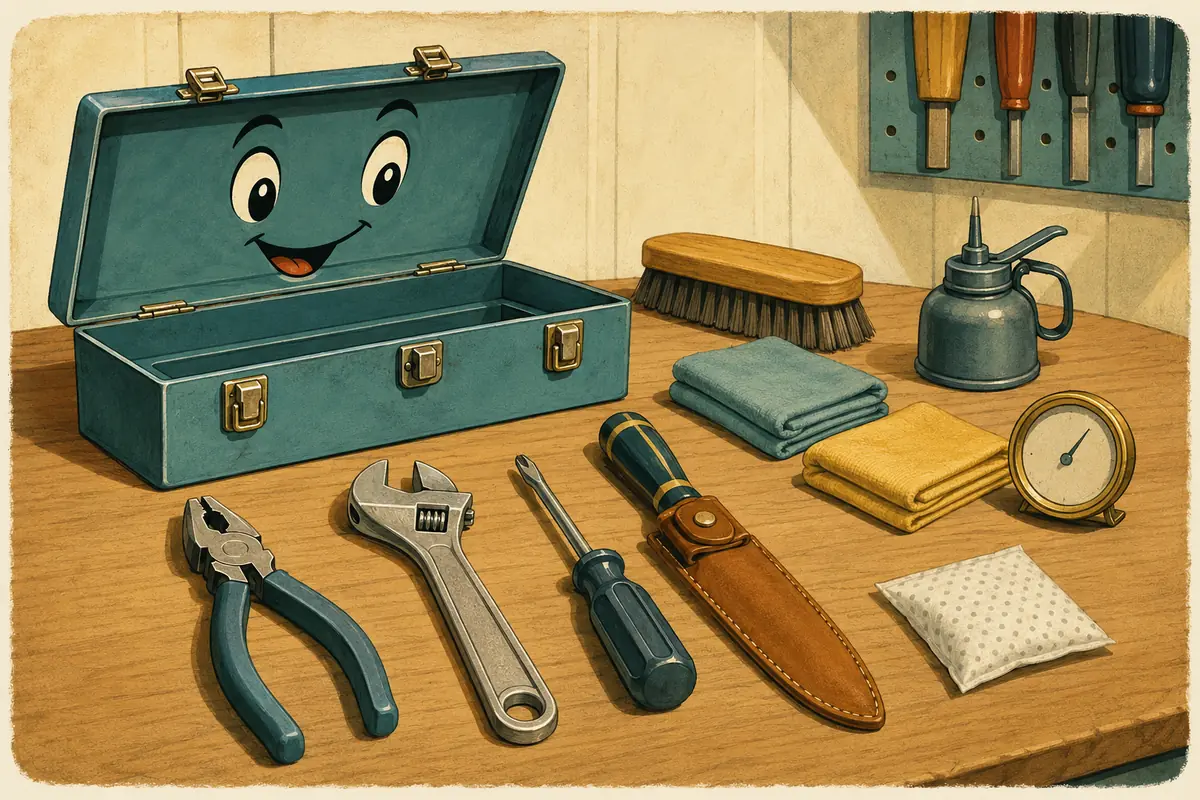 Plate 6How to clean and store hand tools so they don't go rusty
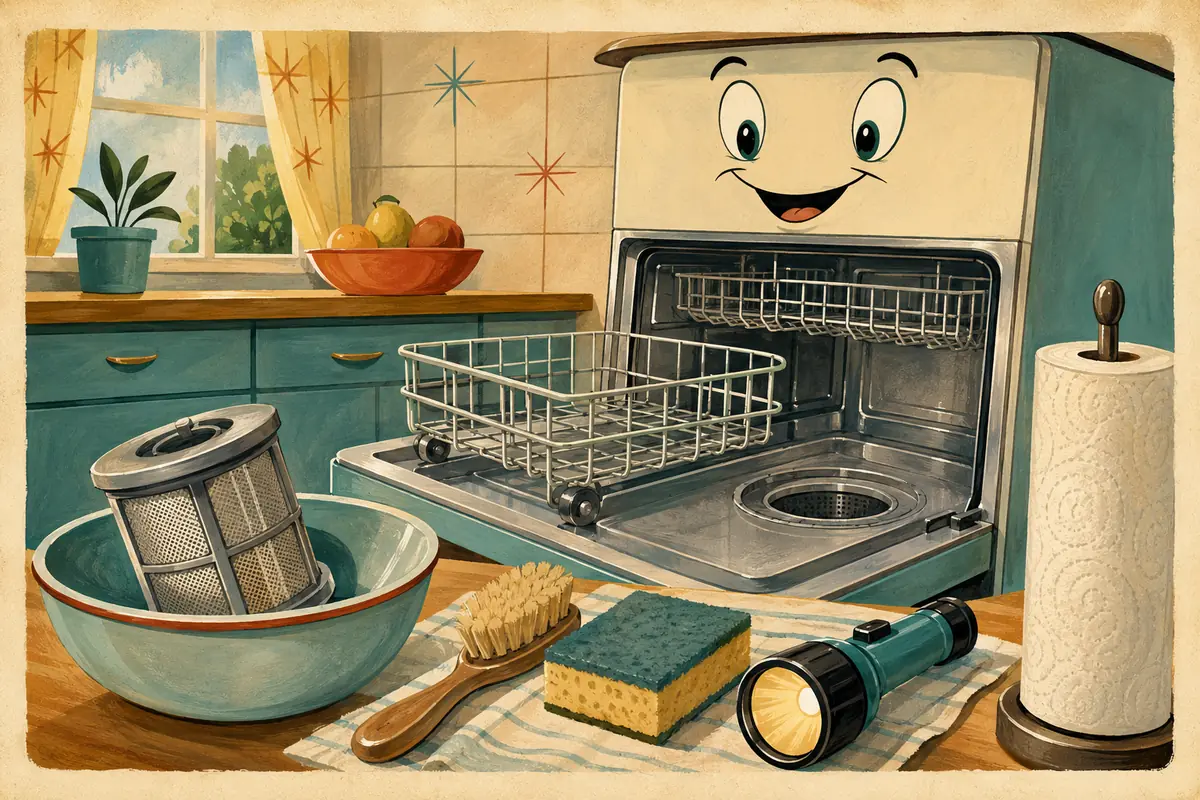 Plate 7How to remove and clean the filter in a dishwasher
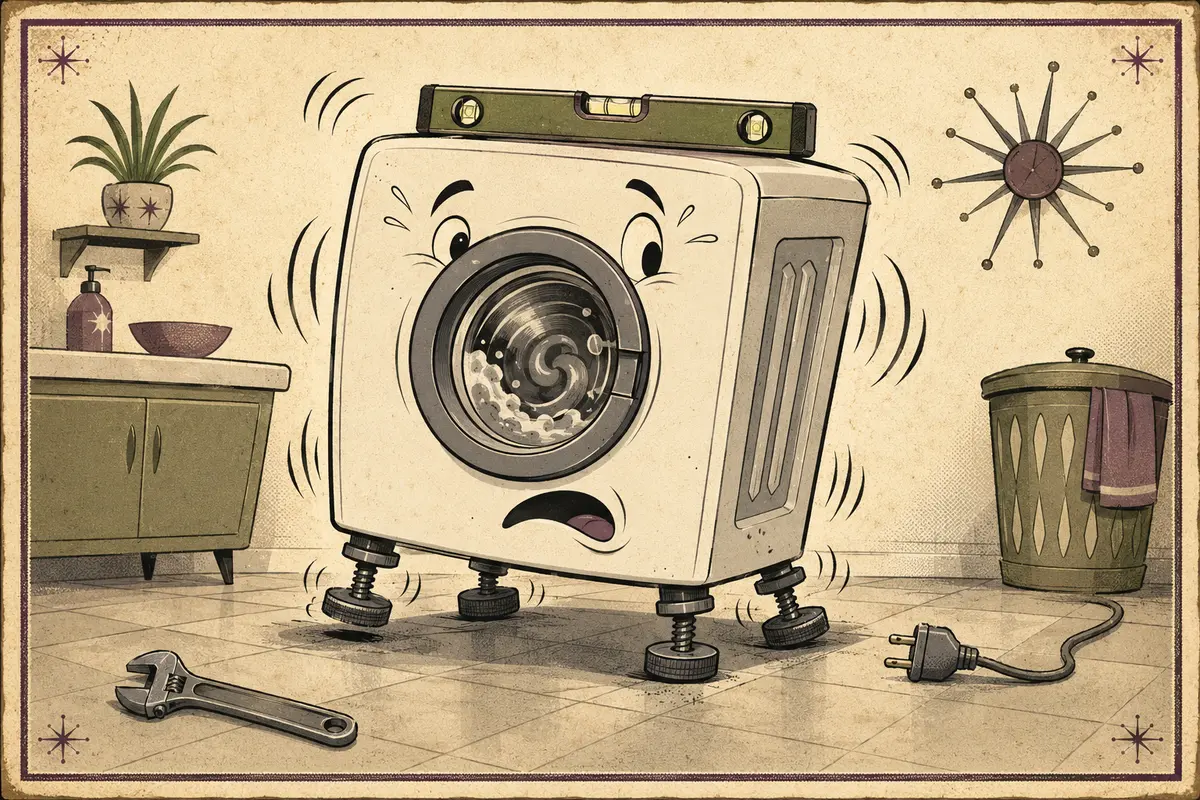 Plate 8How to level a washing machine that walks, shakes or bangs on the spin cycle
 Plate 9How to make a Windows recovery USB drive, and how it differs from a Windows installation USB
 Plate 10How to fix a printer that says offline in Windows 11 and Windows 10
The methodFour notes on how a page is made, and what stops it.
Notes on the making of a page.
I · Language.
Steps, hazard notices and tool notes are written to ASD-STE100 Simplified Technical English, Issue 9 — the controlled English of aircraft maintenance manuals. One term per item, held throughout the page. Imperative, active, one instruction to a sentence, conditions before actions.
II · Hazard placement.
Safety information follows ANSI Z535: signal word, colour and placement are fixed by the standard rather than by taste. A hazard notice is never placed after the step it protects, and a hazard level is never downgraded to make a job look easier.
III · Refusal.
A safety-critical value that cannot be traced to a primary source is not printed. The page carries an instruction to consult the equipment documentation instead. Two sources that disagree are both named; the figures are never averaged into one comfortable number.
IV · The record.
Each page renders a structured record. Sources are dated at the moment they were read, corrections are logged in public with the date and the reason, and a page that fails the gate is held rather than published.
Read the publication standard →
What is not hereThe refusals are counted too, and they are published.
The things this repository leaves out.
Live service-panel work, gas fitting, structural alteration and the rest of the exclusion list are not published here at any length. In their place a page names the diagnostic a reader can do safely and the point at which the job belongs to a licensed trade. A source that could not be reached is recorded as refused rather than quietly dropped, and a page that fails the gate is held rather than softened.
- Specifications routed to the manufacturer
- 587
- Classes of work this repository will not describe
- 10
- Sources checked and refused
- 93
- Pages held back from publication
- 3
- Corrections logged in public
- 0
The corrections log · the errata register · what the system is doing today
A checklist should show its work.
This is a repository of consumer maintenance, repair and troubleshooting procedures. Every page is a rendering of a structured record: the steps, the hazards, the tools and every specification are stored as data, checked, and then published.
Two things make a page here different from the same topic elsewhere. The language is controlled, so a step means one thing and only one thing. And every number is traced to a manufacturer document, a published standard, or a government safety authority, with the date it was read.